Okinawa Tourism
Okinawa Prefecture is the southernmost of Japan’s 47 prefectures. It comprises more than 160 inhabited and uninhabited islands, with a combined area of over 2,000 square kilometres. The population is approximately 1.4 million.
Surrounded by the East China Sea and the Pacific Ocean, Okinawa’s islands stretch for more than 1,000 kilometres from north-east to south-west. The islands are well connected by air and sea, making it easy to travel around Okinawa. Naha is the capital city of the prefecture and serves as the main transport hub, with Naha Airport offering numerous domestic flights to mainland Japan and international flights to surrounding Asian countries.
Okinawa enjoys warm and pleasant weather throughout the year. In Naha, the average temperature in July, the hottest month, is around 29 degrees Celsius. Thanks to its maritime surroundings, summer temperatures rarely exceed 35 degrees Celsius. In January, the coldest month, the average temperature is about 17 degrees Celsius. There is a brief rainy season between May and June, with summer peaking in July and August.
Experience the unspoilt natural beauty and rich cultural heritage of Okinawa, from the castle ruins and heritage sites of the main island to the secluded coves, vibrant reefs, and clear waters of the Kerama and Yaeyama islands. Discover Okinawa at your own pace, island by island, moment by moment.
Linkd Tourism represents Okinawa in the Australian market.
Discover the Regions of Okinawa

Okinawa Main Island
Okinawa’s main island is the largest and most populated of its many beautiful islands. It stretches more than 100 kilometers north-south, and is surrounded by many small islands, some of which can be accessed via bridges and others which are accessible by ferry. From the dramatic karst landscapes and thick forests of the north, to the chic seafront promenades in Chatan and the ramparts of former castles at places like Shurijo Castle Park in the south, the landscape of the main island varies from region to region. The north is known for Yambaru National Park, and the many high-end resort hotels that hug the coastline of Onna Village. The central region preserves Okinawa’s pottery heritage, and boasts oceanfront entertainment complexes. The south is home to Ryukuan heritage, WWII battle sites, and Okinawa’s capital city, Naha.
Main Island: North Okinawa
Dotted with small towns and villages, and home to Yambaru National Park, the north offers outdoor activities and nature excursions alongside historic sites and island-hopping opportunities—all at a relaxed, leisurely pace. Indulge yourself at a luxury resort on the Onna Coast. Sightsee around the Motobu Peninsula, visiting highlights like Churaumi Aquarium and Bise-Fukugi Tree-Lined Road, and drive across to Kouri Island or Sesoko Island to relax at the beach or enjoy marine activities. Alternatively, explore the lush forests and rugged karst landscapes of Yanbaru.
Main Island: Central Okinawa
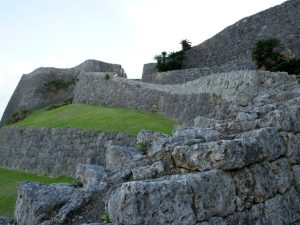
Whether exploring Okinawan crafts, taking a scenic drive to a series of small islands, or shopping and dining away the hours on the seafront, the diverse central region offers comfort, convenience, and options. Chatan and Koza (in Okinawa City) are the entertainment hubs of the area, with bars and live music in Koza, and popular beaches, shopping, and oceanfront dining in Chatan. Yomitan is the modern home of Okinawan pottery, and has workshops and galleries you can visit. Uruma has farm-fresh food, and is the gateway to a number of small islands with pleasant swimming beaches.
Main Island: Southern Okinawa
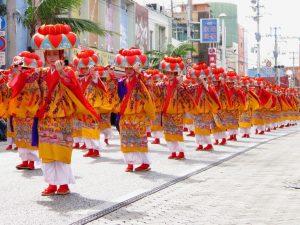
Southern Okinawa is the beating heart of the culture of the islands, home to Shuri, the capital of the ancient Ryukyu Kingdom, and Naha, the modern capital of Okinawa Prefecture. Explore the history of the royal family at Shurijo Castle Park and the Tama-udun mausoleum and immerse yourself in spirituality at Sefa Utaki, one of the island’s most sacred places. Enjoy shopping, dining, entertainment, and nightlife in Naha. Head further south to Itoman or Nanjo to immerse yourself in nature—sprawling limestone caves, pristine beaches, and more—and reflect on Okinawa’s somber WWII history.
Other Islands of Okinawa: Kume Island
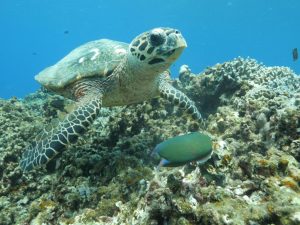
Kume Island is a jewel of white sand beaches, mountains and pristine streams, surrounded by coral reefs teeming with tropical fish. Swim with sea turtles, dive to see manta rays and hike to castle ruins. A leisurely boat ride or a 35-minute flight from Naha, Kume Island delights with its natural beauty and laid-back lifestyle. At 48 kilometres in circumference and covering 5,900 hectares, Kume Island is compact but rich in biodiversity, with Ramsar-registered wetlands and rare, endemic animal species.
Other Islands of Okinawa: Kerama Islands
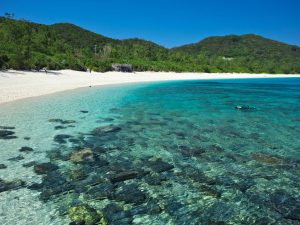
Tokashiki, Zamami, Aka, and Geruma are the four inhabited islands of the Kerama Islands. Together with the many uninhabited islands that surround them, they make up Keramashoto National Park. The reef-filled waters around the Kerama Islands are renowned for their transparency and are home to many varieties of coral. Winter offers opportunities to watch humpback whales, which migrate to the area to breed. Hike trails on the islands to view white sandy beaches and dramatic cliffs, or join a diving or snorkelling tour to explore the marine environment. The Kerama Islands' close proximity to Naha and convenient access by express ferry makes them a viable day-trip excursion from the main island.
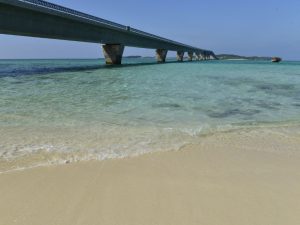
Other Islands of Okinawa: Miyako Islands
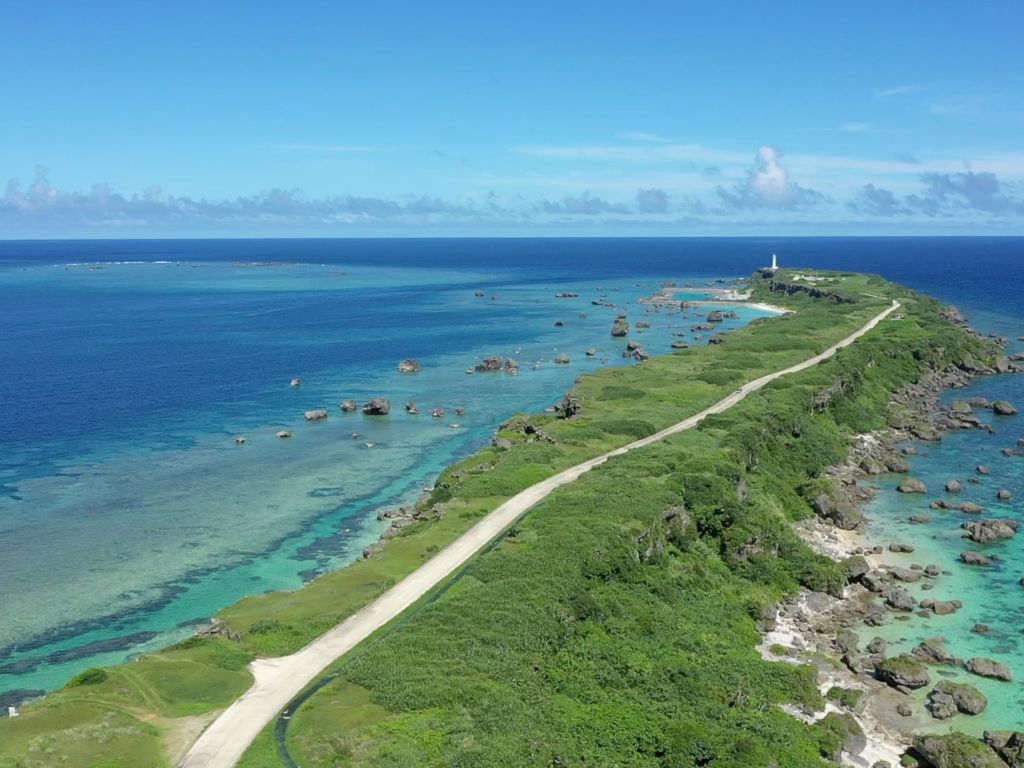
The Miyako Islands are a group of small, mostly inhabited islands, surrounding the larger, central Miyako Island. Many of the smaller islands are connected to Miyako Island via bridges. Surrounded by some of Okinawa’s largest coral reefs, the Miyako Islands are a mecca for diving and snorkelling enthusiasts. The waters around the islands are translucent and inviting, and tour operators offer many exciting ways to enjoy the ocean, from glass-bottomed boat trips and parasailing to kayak and stand-up paddleboard tours. The Miyako Islands abound with beautiful beaches, resort accommodations, and chic vacation rentals.
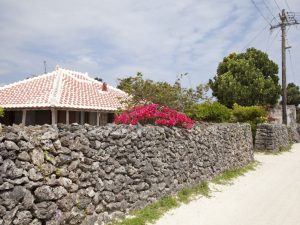
Other Islands of Okinawa: Yaeyama Islands
Ishigaki Island is one of the largest and most populated of the Yaeyama Islands, and acts as a gateway to the rest, many of which are delightfully rural and sparsely populated (if not uninhabited!). The Yaeyama Islands are among some of the most popular of Okinawa’s island destinations and cater to a wide variety of tastes. Enjoy luxurious beach resorts on Ishigaki Island, eco-excursions through mangrove forests on UNESCO Natural World Heritage-listed Iriomote Island, traditional villages and slow travel on Taketomi Island, and diving with hammerhead sharks amongst the underwater megalithic structures off Yonaguni Island.
Okinawa FAQs
The Okinawan archipelago is located at the southwestern end of Japan and spreads between Kyushu and Taiwan. The string of islands, formerly known as Ryukyu Islands and now constituting Okinawa Prefecture, became part of Japan at the end of the 19th century. Nowadays, it is one of the Japanese’s favourite summer vacation destinations.
The climate is humid and subtropical. It is hot during the day for much of the year, with cooler weather in the morning and evenings, and during the winter months. Light coats and sweaters are occasionally needed in winter when northerly winds can make it feel colder than it actually is. The average sea temperature ranges from around 21 degrees Celsius in February to nearly 30 in August, making it possible to enjoy marine activities throughout the year. The rainy season is typically between mid-May and late June. Sudden showers are common but it rarely rains all day.
There are no direct flights to Okinawa from Australia or New Zealand. A number of airlines operate direct flights to Okinawa from surrounding countries in Asia, such as Taiwan, South Korea and Singapore. Click here to learn more about international flights.
Direct domestic flights operate to Naha from Narita International Airport, Tokyo International Airport (Haneda), and many other major airports around Japan. The flight from Tokyo is about 2.5 hours, and from Osaka or Fukuoka it’s just under 2 hours. Some regions also offer direct flights to popular remote islands such as Miyako and Ishigaki. Click here to learn more about direct domestic flight routes.
Both major airlines and budget carriers operate routes to Okinawa, so it is easy to find something to match your budget and schedule.
Buses, taxis, and rental vehicles including cars, motorcycles, and RVs are the main transportation options for getting around in Okinawa. On the main island there is also a monorail running through Naha and connecting Naha Airport in the south with the Shurijo Castle area in the north.
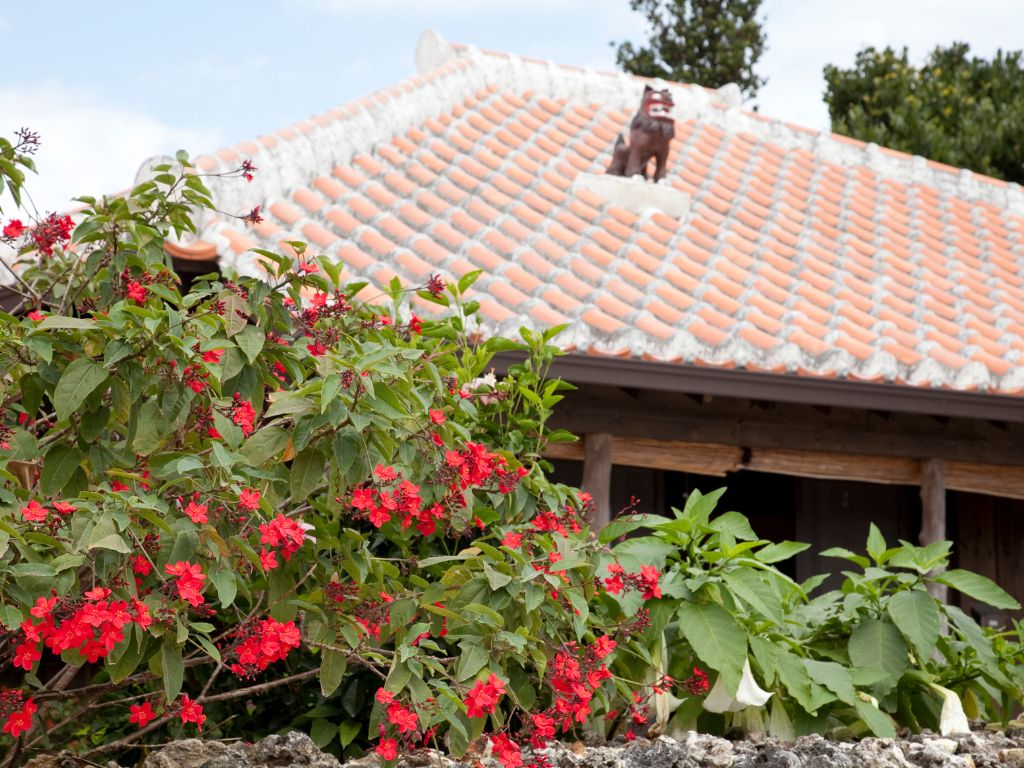
The word champuru—Okinawan for “mixed”—is often used to describe the culture of the islands. Its unique traditions are a fusion of endemic cultural practices and outside influences, from mainland Japan, Asia, and the US. Explore the islands’ performing arts, centuries-old crafts, festivals, and traditional villages to connect with the culture.
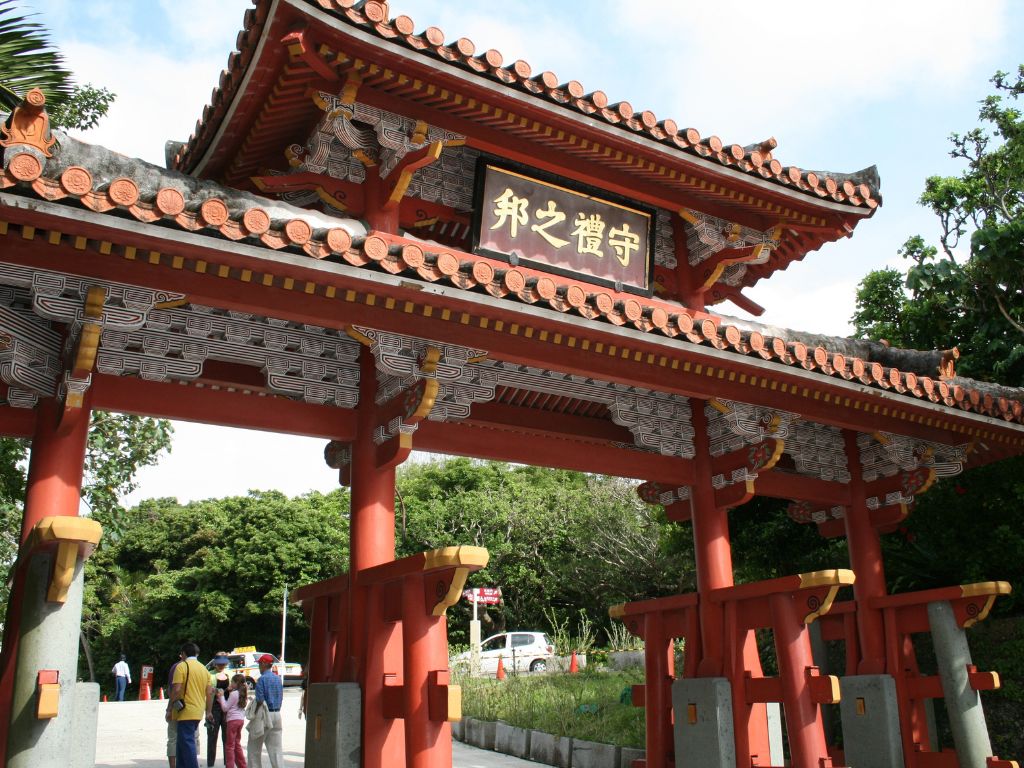
Be sure to check out some of Okinawa’s UNESCO World Natural and Cultural Heritage Sites, such as Shurijo Castle Park and Sefa Utaki on Okinawa’s main island, or Iriomote Island.
Learn about Ryukyuan culture and heritage at cultural villages such as Ryukyu Mura, where you can try hands-on experiences like glass-blowing and shi-sa (painting).
Churaumi Aquarium is a great way to learn about Okinawa’s native sea life, or if you are more adventurous there are numerous places to go snorkelling and scuba diving.
It comprises more than 160 inhabited and uninhabited islands, with a combined area of over 2,000 square kilometres.
The main hub for flights to Okinawa is Naha Airport, on the main island. Domestic and International flights also operate to airports on some remote islands such as Ishigaki and Miyako.
It is generally recommended to stay for a minimum of 3 days to get a taste of Okinawa main island, or with a full week you can explore more of the outlying islands as well.
Tipping is not customary in Okinawa or Japan as a whole. Exceptional service is expected as part of the job. Instead, focus on showing appreciation through polite behaviour and gratitude. In Japan, excellent service is a standard part of the experience in restaurants, hotels, and other services.
For more information about Okinawa, contact the Okinawa Tourism local representative Sally at [email protected] (she speaks English and Japanese) or visit their official website.
FOR TRADE PARTNERS
Itineraries
Webinar
The Discover Okinawa webinar series is your essential training on Okinawa. Learn about the Ryukyu culture and adventure travel experiences from scuba diving to hiking, and the various regions of Okinawa which each offer immersive cultural experiences.
FOR MEDIA PARTNERS
Recent Press Releases
Releases pending.
Media Library
This library of high-resolution photos is available for promoting Okinawa as a leisure destination or in a news story.
Social Media
Our official social channels are as follows:
https://www.facebook.com/visitokinawajapan
https://www.instagram.com/visitokinawajapan/
Contact Us
For further information, please contact:
Chris Hall – Account Director, Australia and New Zealand
Toni Fan – Trade Account Manager, Australia and New Zealand